
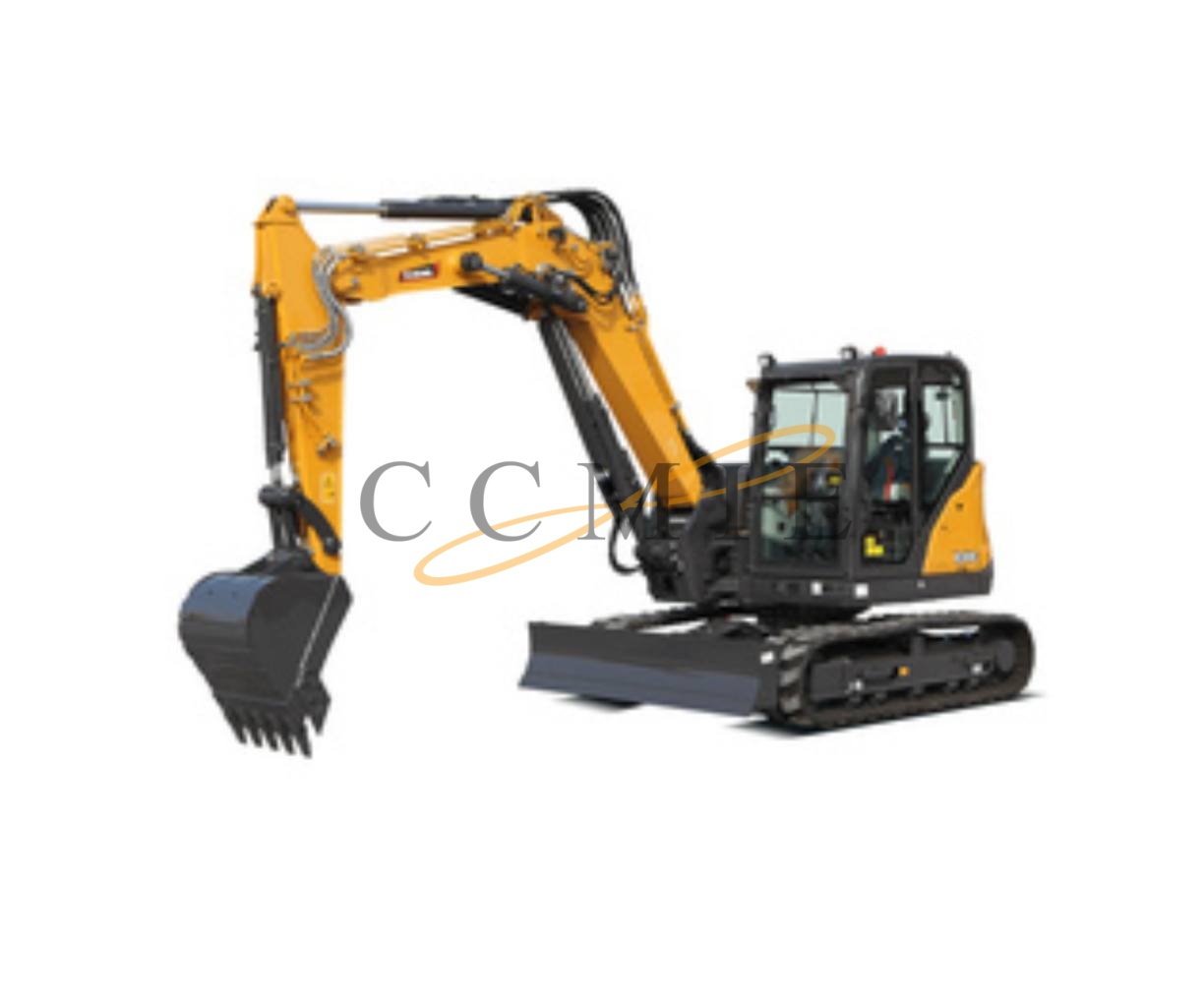
The XCMG XE80G mini excavator is widely used in municipal engineering, farmland improvement, and small-scale earthmoving projects. The bucket cylinder of model 803013104 is the core hydraulic component controlling the bucket’s tilting and completing the digging and unloading process. Construction site environments are harsh, with lots of mud and gravel, requiring the bucket cylinder to continuously extend and retract, enduring long-term impact loads. Over time, this can easily lead to various malfunctions such as oil leaks, weak operation, and bucket sinking.
I. Main Features of Bucket Cylinder 803013104
This hydraulic cylinder is an original part specially designed by XCMG for the XE80G. Its function is to push the bucket teeth to cut into the soil, and then tilt the bucket to complete the unloading. When installed on a mini excavator, the hydraulic cylinder must withstand frequent operation, but it cannot be too heavy, otherwise it will affect the overall weight distribution and stability of the machine.
The cylinder is made of seamless steel pipe and honed, resulting in a smooth inner wall and low resistance to piston reciprocating motion, ensuring uniform movement. The piston rod is chrome-plated, which not only provides wear resistance but also rust prevention—the chrome plating protects the rod from most scratches caused by constant churning of mud and soil by sand and gravel. Internally, it is equipped with multiple sealing components, including a main seal and dust seals, specifically designed for the high-frequency extension and retraction of the bucket.
The stroke is strictly calibrated according to the XE80G bucket linkage structure, ensuring no under- or over-stroke after installation, and the bucket tilting angle matches the overall machine. This has a significant impact on work quality: an accurate tilting angle results in fast digging and clean unloading; an incorrect angle leaves residual soil in each bucket, naturally reducing efficiency.
Before leaving the factory, the parts undergo pressure testing. All ports, threads, and fittings are calibrated according to the XE80G hydraulic system parameters. After installation, they can be directly connected to the main unit’s hydraulic circuit without any interface modifications. This is a practical benefit of using genuine parts: the interfaces and parameters are pre-matched, saving you the hassle of modification.
When purchasing replacement parts, model number 803013104 is the only way to identify this hydraulic cylinder. The model and installation dimensions must be checked before ordering and installation. Many reworks stem from incorrectly installing other models; misaligned holes necessitate disassembly and reassembly.
II. Common Faults, Causes, and Maintenance Recommendations for Bucket Cylinder 803013104
In construction operations, bucket cylinder failures generally fall into the following categories:
Fault 1: Oil seepage from the piston rod surface
You can see excavator bucket cylinder oil on the piston rod. It will seep back in quickly after wiping, and in severe cases, the oil will drip down the piston rod. This situation is mostly caused by long-term high-frequency contraction and extension, resulting in aging and wear of the main seal and dust seal.
Recommendations: If the piston rod only has a slight oil leak, observe it temporarily and keep the rod clean to prevent sludge buildup. If the piston rod surface is leaking significant oil or even dripping oil, do not simply add oil; instead, replace the entire seal system first. If the piston rod continues to leak oil after replacing the seal, check for scratches and rust pits on the chrome plating, and assess the depth of the damage to the rod body to determine if the piston rod or the entire excavator hydraulic cylinder parts needs to be replaced.
Fault 2: The excavator bucket lacks digging power and sinks under heavy load.
Insufficient digging power in the cylinder bucket excavator causes the bucket to slowly sag when fully loaded, making it difficult to control the digging depth and thus reducing work efficiency. There are two possible causes: internal leakage due to damaged seals in the excavator hydraulic cylinders for sale, leading to fluid leakage and insufficient output; or malfunction of the excavator’s main control valve or operating components.
Recommendations: If you see the bucket sinking, don’t immediately replace the hydraulic cylinder. First, investigate the cause. Slow sinking is often due to internal leakage in the cylinder seals; prioritize repairing the seals. If the bucket sinks quickly or the movement is inconsistent, focus on checking the hydraulic valves and oil lines. Simple self-test: Hover the bucket unloaded and observe the sinking. Check the oil lines section by section to avoid blindly purchasing parts and wasting time and money.
Fault 3: Excavator bucket tipping action is sluggish and slow.
If the excavator’s tipping motion is jerky and its operating speed is noticeably slower, it’s often due to hydraulic oil contamination. Impurities may scratch the piston rod or even jam the valve core, hindering oil flow.
Recommendations: Prioritize replacing the excavator hydraulic cylinder oil and filter element, and cleaning the oil passages. This can resolve most minor blockages. Ensure thorough cleaning throughout the oil change process to prevent secondary contamination. For chronically contaminated oil, disassembly and cleaning of the cylinder are necessary. Shallow scratches on the piston rod can be repaired by grinding; deep scratches require replacement of the entire part. Do not delay filter element replacement; continued wear from dirty oil will damage the excavator cylinder, and by the time problems appear, the damage will be significant.
Fault 4: Hard digging caused the piston rod to bend and the lug to crack.
This is a common type of human-caused injury. When an cylinder excavator encounters a boulder, concrete block, or old pipe and forcibly pushes it, the excavator’s excavator hydraulic arm cylinder may be overloaded instantly. This can easily bend the piston rod of the hydraulic cylinder, causing cracks in the lugs at both ends. If it is only slightly bent, it may not be easily noticed, but the excavator’s bucket will move abnormally. If the lugs are cracked, it is a major safety hazard, and construction must not continue.
Recommendations: If the piston rod is only slightly bent, it can be straightened. However, after straightening, its strength will be less than that of a new part, and it is not recommended to continue using it under heavy loads. If conditions permit, it should be replaced directly. If the lug seat cracks, the machine must be stopped immediately. Never operate the machine with this defect. Then, depending on the extent of the crack, weld reinforcement or replace the excavator bucket cylinder directly. When the cylinder excavator encounters hard objects while digging, never try to force it through. Instead, change the digging position to reduce significant repair costs.
If you notice the bucket sinking, the tipping slowing down, oil leaks from the excavator bucket cylinder, or unusual noises, please stop the cylinder excavator and inspect it immediately. Delaying minor problems can easily lead to major repairs, which are costly in terms of excavator hydraulic arm cylinder
parts and labor.
III. Daily Maintenance Methods for Bucket Hydraulic Cylinder 803013104
XCMG XE80G cylinder head engine excavator often need to operate in dusty and muddy construction sites. Hydraulic cylinder maintenance does not require complicated operations. By adhering to fixed habits, the service life of the 803013104 bucket hydraulic cylinder can be effectively extended.
I spend a few minutes each day at the end of the workday to complete two checks.
First, clean the mud and gravel adhering to the piston rod. It’s easier to clean while the mud is still wet. If dried mud adheres to the rod, the gravel will act like sandpaper when the cylinder for excavator extends and retracts, continuously scratching the chrome plating and dust seal. Once scratches appear, oil leaks will follow.
Secondly, conduct a simple inspection of the cylinder block and oil pipe joints, looking for any signs of oil leakage. A brief daily inspection can promptly detect minor leaks, preventing them from becoming apparent only after a large leak has occurred.
Maintain the hydraulic system according to the maintenance schedule.
Timely replacement of hydraulic oil and filters keeps the oil lines clean, preventing impurities from entering the excavator boom cylinder and significantly reducing wear on seals and cylinder walls. Many machine owners delay filter replacement to save costs, but dirty oil continuously wears down the entire hydraulic system, with the excavator bucket cylinders being the first part to show signs of problems – a costly mistake. Regularly inspect oil pipes and joints, and replace aging seals promptly; don’t wait until leaks and shutdown to address the issue.
Operating habits are equally important.
Avoid prolonged full-load digging. Do not forcefully push against rocks or hard blocks, as the sudden impact can easily damage the piston rod and lug. Adjusting the digging method can reduce the impact load on the excavator replacement cylinders.
When an cylinder excavator is parked for an extended period, the bucket should be retracted, and the piston rod should be retracted into the cat excavator cylinder. Avoid prolonged exposure to direct sunlight and rain. Exposure to wind and sun will accelerate the corrosion and aging of the chrome plating. Retracting the rod during storage will result in better cylinder condition when the excavator is restarted.
803013104 excavator bucket cylinder for XCMG XE80G excavator is a core component of the hydraulic system ,driving the bucket’s digging and unloading operations. Small cylinder excavators typically operate in muddy and dusty construction sites, so the cylinder for excavator is subjected to impact and wear. It’s crucial not to wait until the excavator boom cylinder leaks or fails before considering maintenance. Proper management of the hydraulic oil in the cylinder is essential, Aslo regular seal checks and cleaning of the piston rod when use it. If so me piston rod leaks or abnormal operation is detected, the excavator must be stopped immediately to investigate the cause of it. This will significantly extend the lifespan of the excavator hydraulic cylinder. If a replacement part is unusable, always ensure it is the 803013104 model and a genuine XCMG XE80G excavator hydraulic cylinder to ensure the stability of the entire hydraulic system and minimize downtime the costs.
For other parts, please provide us with the part number or visit our related websites:
Click here to visit our spare parts web
Click here to visit our alibaba (There are more kinds of products)
Post time: Oct-13-2026